I remember the frustration vividly. It was late 2023, and I was diving into a brand-new, graphically intensive title, expecting a smooth, immersive experience on my otherwise capable PC. Instead, I was met with stuttering, frame drops, and an undeniable sense of disappointment. My immediate thought was, “Time for an upgrade.” But before I reached for my wallet, I decided to take a step back and meticulously examine every aspect of my system. What I discovered was a treasure trove of untapped performance, hidden not behind a paywall or complex software, but in simple, free, and often overlooked optimizations. If you’re wondering how to increase gaming performance without software, you’re in the right place. Let’s unlock your PC’s full potential, for free, in 2026.
Master Your System’s Power Profile
One of the most immediate and impactful changes you can make is adjusting your Windows power settings. By default, most systems are set to “Balanced,” which prioritizes energy efficiency over raw performance. While great for laptops or casual use, this can significantly throttle your CPU and sometimes even your GPU during intense gaming sessions. Switching to the “High Performance” plan ensures your hardware is always running at its maximum potential, preventing clock speed reductions that cause frustrating stutters. You can find this option in the Control Panel under “Power Options.”
Beyond the standard “High Performance” plan, consider creating a custom power profile tailored specifically for gaming. Within your advanced power settings, you can fine-tune aspects like processor minimum and maximum states, hard disk turn-off times, and USB selective suspend settings. Crucially, regularly check your Task Manager’s “Startup” tab. Many applications launch automatically with Windows, silently consuming precious CPU cycles and RAM in the background. Disabling unnecessary startup programs dramatically frees up resources, making your system more responsive and dedicated to your game.
Optimize Your Display Settings
Your display settings, both in-game and within Windows, are paramount to perceived performance. While higher resolutions and ultra-quality textures look fantastic, they demand significant GPU power. Finding the “sweet spot” for your hardware often means a slight reduction in settings like shadow quality, anti-aliasing, or post-processing effects. Experiment with these sliders in your game’s options menu; often, the visual difference is negligible, but the FPS boost can be substantial, especially for competitive titles where every frame counts.
Beyond in-game adjustments, ensure your monitor’s refresh rate is correctly set in Windows Display Settings. A 144Hz monitor is wasted if Windows thinks it’s only 60Hz. Also, understand the implications of V-Sync. While it eliminates screen tearing, it can introduce input lag, which is detrimental in fast-paced games. If you have a G-Sync or FreeSync compatible monitor, enable it for tear-free gaming without the input lag penalty. Otherwise, consider limiting your in-game FPS just below your monitor’s refresh rate for the smoothest experience possible without V-Sync.
The Unsung Hero: Driver Management
Graphics drivers are the critical communication bridge between your operating system and your GPU. NVIDIA and AMD regularly release updated drivers that include performance optimizations for new game titles, bug fixes, and general stability improvements. Staying current with these updates is non-negotiable for optimal gaming performance in 2026. Always download drivers directly from the official manufacturer’s website, such as NVIDIA’s driver page, to ensure authenticity and avoid bundled bloatware.
While GPU drivers often steal the spotlight, don’t neglect your chipset, audio, and network drivers. Outdated chipset drivers can impact communication between your CPU, RAM, and other components, leading to bottlenecks. Network drivers are crucial for stable online gaming, preventing lag spikes and disconnections. Always source these from your motherboard manufacturer’s support page. A holistic approach to driver updates ensures every component in your system is operating at its peak efficiency, contributing to overall gaming performance.
Clean Driver Installation Matters
Sometimes, simply updating drivers isn’t enough. Previous driver files can leave remnants that conflict with newer versions, leading to instability or reduced performance. This is where a clean driver installation becomes invaluable. Tools like Display Driver Uninstaller (DDU) allow you to completely remove all traces of old GPU drivers before installing new ones. This ensures a fresh, conflict-free installation, which is often cited by experts as a crucial step for troubleshooting and maximizing graphics performance, especially after major driver releases or upgrading your graphics card.
Physical Environment & Hardware Hygiene
It sounds simple, but dust is the silent killer of PC performance. Over time, dust accumulates on fans, heatsinks, and vents, creating an insulating layer that traps heat. This forces your components, especially the CPU and GPU, to run hotter. When hardware reaches critical temperatures, it “thermal throttles,” automatically reducing clock speeds to prevent damage. This throttling directly translates to lower FPS and inconsistent performance. Regularly cleaning your PC with compressed air, focusing on fans and heatsinks, can dramatically improve thermal efficiency and sustain peak performance.
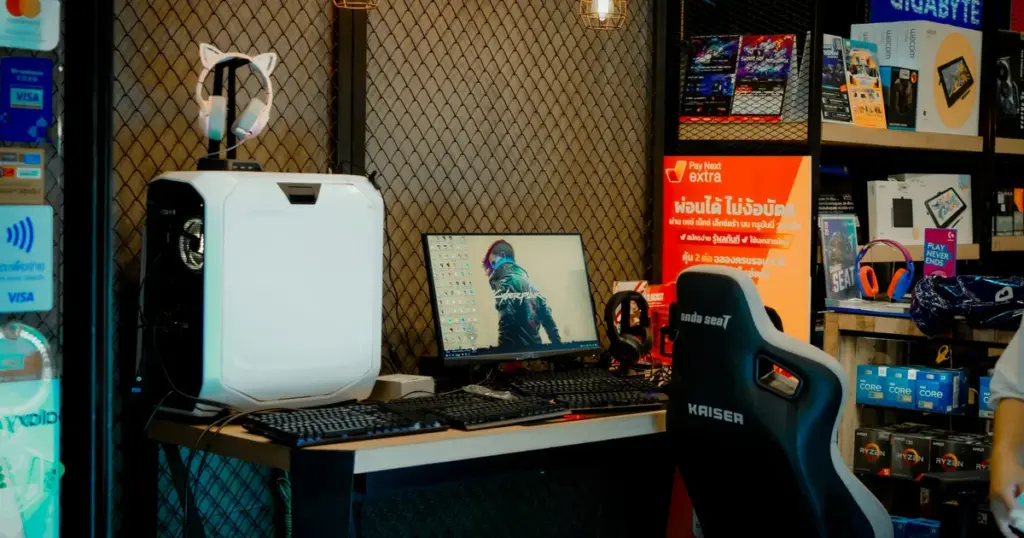
Beyond internal cleanliness, consider your external setup. Proper cable management inside your PC case improves airflow, further aiding cooling. Externally, ensure your monitor is at eye level and your keyboard and mouse are clean and comfortable. A clean desk and organized workspace contribute to a focused gaming experience, reducing distractions and potential physical strain. Even the simple act of wiping down your mousepad can improve tracking accuracy, offering a subtle but noticeable boost to your input responsiveness.
Windows Optimization & Background Processes
Modern versions of Windows come packed with features, many of which are non-essential for gaming and can consume valuable system resources. Features like the Xbox Game Bar, background app refresh, and unnecessary notifications can quietly impact your FPS and overall system responsiveness. Take the time to delve into your Windows Settings and disable any features you don’t use during gaming. For instance, turning off “Focus Assist” ensures no pop-ups interrupt your critical moments, and disabling visual effects can free up a small but measurable amount of GPU power.
Maintaining a lean operating system is key. Regularly run Disk Cleanup to remove temporary files, old system files, and other junk data that can accumulate over time. If you’re still using a traditional Hard Disk Drive (HDD) for your games, consider defragmenting it periodically; this optimizes file access times, though it’s largely irrelevant for Solid State Drives (SSDs). Uninstall any programs you no longer use, as they can consume disk space and sometimes leave background processes running. A clean, optimized Windows installation is the foundation for superior gaming performance.
Key Takeaways
- Optimize Power Settings: Switch to “High Performance” and disable unnecessary startup programs to dedicate maximum CPU and GPU resources to your games.
- Fine-Tune Display Settings: Adjust in-game graphics for a balance of visuals and FPS, ensure correct monitor refresh rates, and understand V-Sync/G-Sync implications.
- Maintain Current Drivers: Regularly update GPU, chipset, and other critical drivers directly from manufacturer websites for optimal performance and stability.
- Practice Hardware Hygiene: Clean internal components with compressed air to prevent thermal throttling, and ensure good airflow and cable management.
Frequently Asked Questions
Does cleaning dust really help FPS?
Absolutely, yes. Dust buildup acts as an insulator, trapping heat within your PC. When components like your CPU and GPU get too hot, they automatically reduce their clock speeds (thermal throttling) to prevent damage. This throttling directly lowers your frame rate. Regular cleaning ensures efficient cooling and allows your hardware to maintain peak performance, thus boosting your FPS.
Should I always update my drivers immediately?
While staying updated is generally recommended for performance optimizations and bug fixes, it’s wise to exercise a little caution. Major driver updates can sometimes introduce new bugs for specific hardware or game configurations. It’s often best to wait a few days after a new driver release, check community feedback, and then proceed with the update. Always download from official sources.
Is V-Sync good or bad for gaming?
V-Sync is neither inherently good nor bad; it depends on your specific setup and priorities. It eliminates screen tearing by synchronizing your game’s frame rate with your monitor’s refresh rate. However, this often comes at the cost of increased input lag, which can be detrimental in competitive games. If you have a G-Sync or FreeSync monitor, these technologies offer the best of both worlds, eliminating tearing without significant input lag.
How often should I check my power settings?
Once you’ve configured your power settings to “High Performance” or a custom gaming profile, you generally won’t need to check them frequently. However, it’s a good practice to verify them after major Windows updates or if you notice a sudden drop in performance. Windows updates can occasionally revert settings to defaults, so a quick check ensures your optimizations remain active for 2026.
Conclusion
It’s truly empowering to discover that unlocking significant gaming performance doesn’t always require spending money on new hardware or complex software. By diligently applying these foundational, no-cost optimizations – from power profiles and display settings to driver management and physical hygiene – you can transform your gaming experience. These steps are about maximizing what you already have, ensuring your system runs as efficiently and powerfully as possible. So, before you consider that next upgrade, take the time to implement these strategies and reclaim those precious frames per second.